WHAT THEY DO
Small doses, real work
Iron helps make red blood cells, zinc helps make new cells and enzymes, and iodine helps make thyroid hormones. Selenium supports the immune system.
Pick a mineral doodletrace
Start
WHAT THE NHS SAYS
Tiny amounts, big jobs.
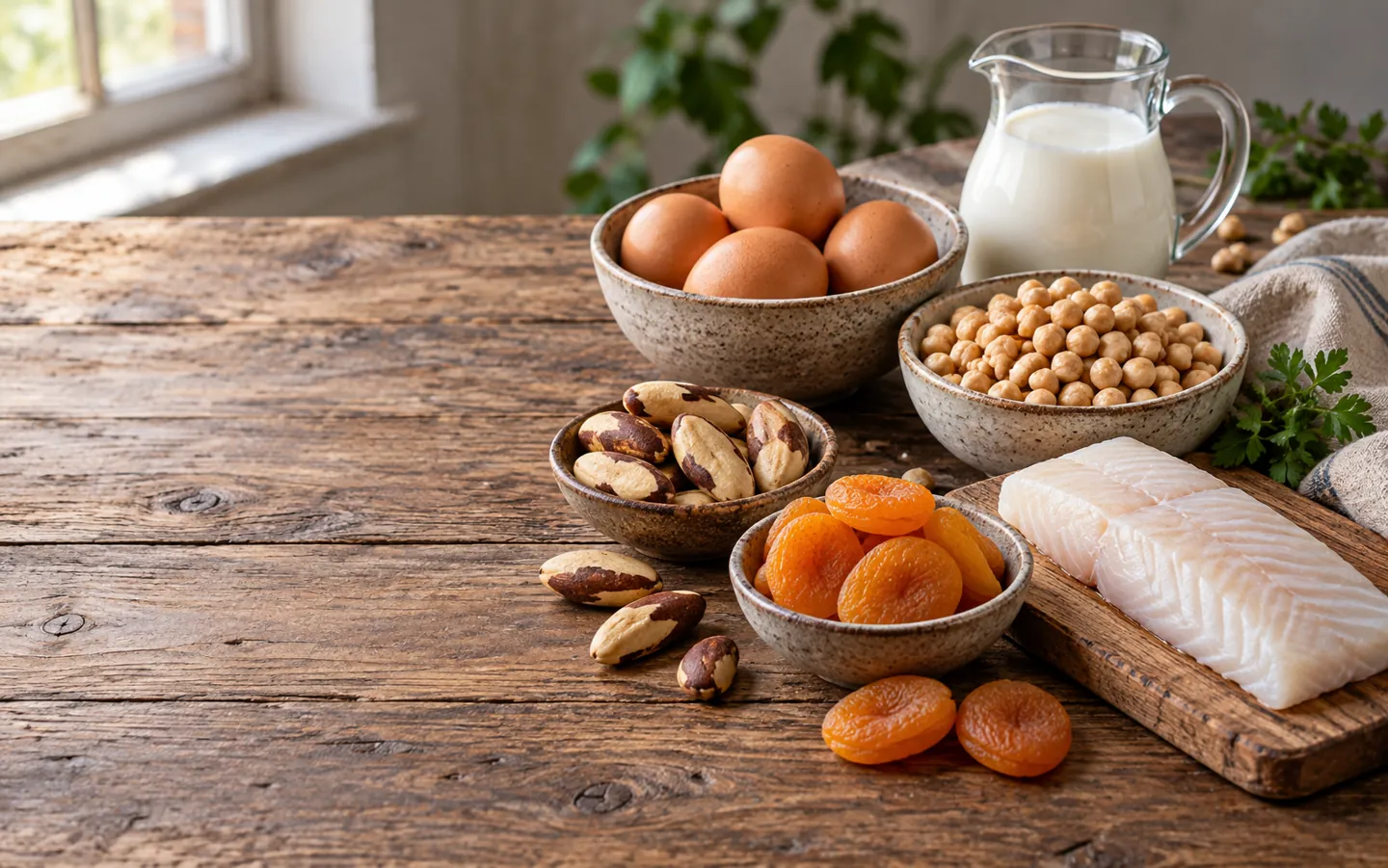
Some minerals are needed in amounts measured in milligrams or even micrograms, a millionth of a gram. The NHS says most people can get them all from a varied and balanced diet, and explains what each one does.
140 μgiodine a day
Pick a mineralKeep in mind
THE SHORT ANSWER
A varied diet covers most trace minerals.
UK diet surveys show where the gaps are.
WHAT THEY DO
Iron helps make red blood cells, zinc helps make new cells and enzymes, and iodine helps make thyroid hormones. Selenium supports the immune system.
Pick a mineralIRON
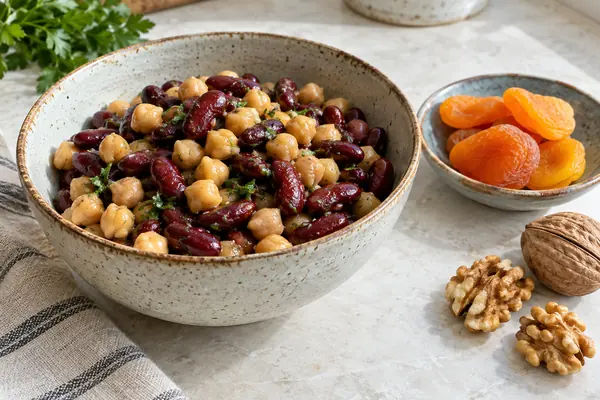
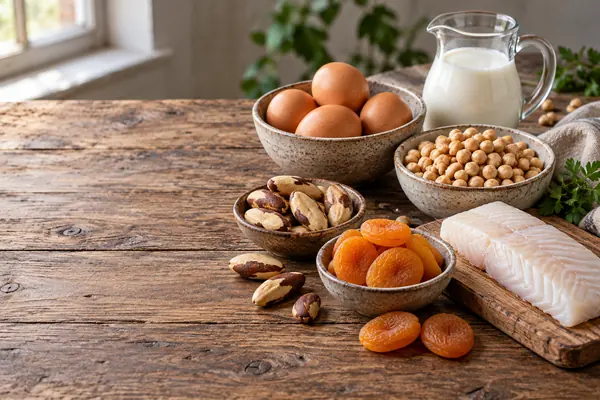
Men need 8.7mg of iron a day, but women aged 19 to 49 need 14.8mg. Good sources include red meat, beans, nuts, dried fruit and fortified cereals.
See the numbersIODINE
Adults need 140 micrograms of iodine a day. People on a strict vegan diet may want to consider iodine-fortified foods or a supplement, says the NHS.
Where to find themGeneral information only, not medical advice. For advice about your own health, speak to a doctor, pharmacist or other qualified health professional.
A QUICK MINERAL CHECK
Pick a trace mineral to see the NHS daily amount for adults. The bar shows the size of the daily amount by weight, from micrograms to milligrams.
Based on NHS pages on iron, iodine and other vitamins and minerals. General information, not medical advice: speak to a GP or registered dietitian about your own needs.
TWO NUMBERS WORTH KNOWING
Two findings from the National Diet and Nutrition Survey,
2016 to 2019.
49%
Girls aged 11 to 18 with low iron intakes
The survey found 49% of girls aged 11 to 18 and 25% of women aged 19 to 64 had iron intakes below the Lower Reference Nutrient Intake, a level that meets the needs of only 2.5% of people.
IRON · NDNS
98 μg/l
Median urinary iodine, women aged 16 to 49
Every group met WHO criteria for adequate iodine status except women of childbearing age, whose median was 98 μg/l, just under the 100 to 199 μg/l range, with 21% below 50 μg/l.
IODINE · NDNS
The survey notes an intake below the Lower Reference Nutrient Intake is only considered a problem if sustained over a period of time. It also found signs of iron-deficiency anaemia and low iron stores in 9% of older girls.
FOUR THINGS TO KNOW
The NHS advice for each trace mineral is much the same: you should be able to get what you need from a varied and balanced diet. These points cover the exceptions.
Step 1
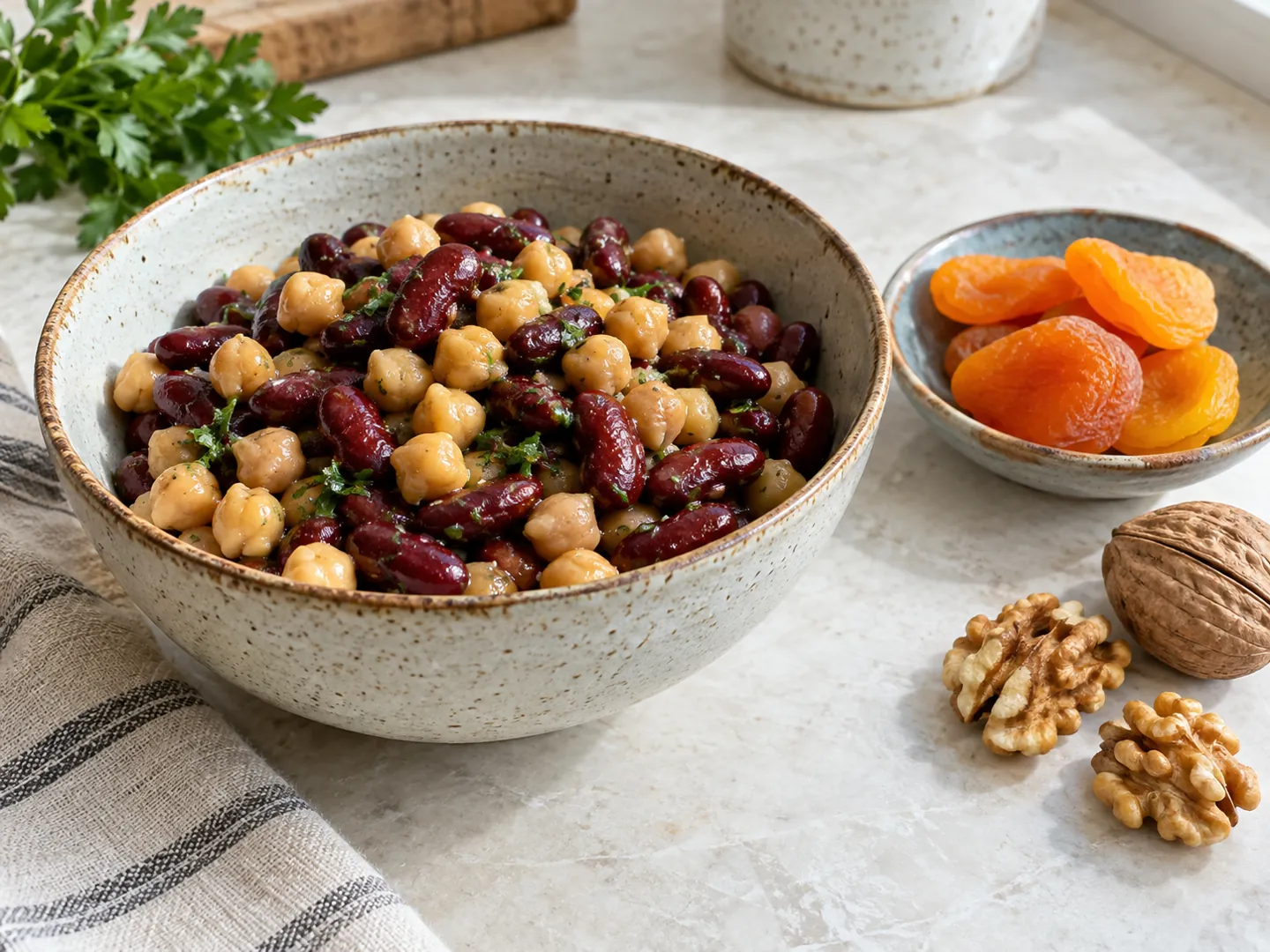
Beans, chickpeas, nuts, dried apricots and fortified breakfast cereals all count alongside meat. DHSC advises limiting red and processed meat.
Step 2
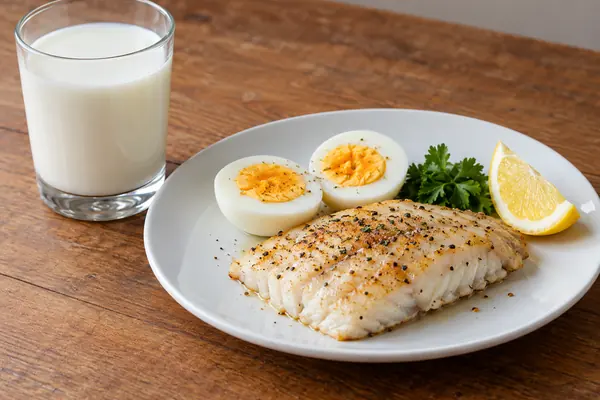
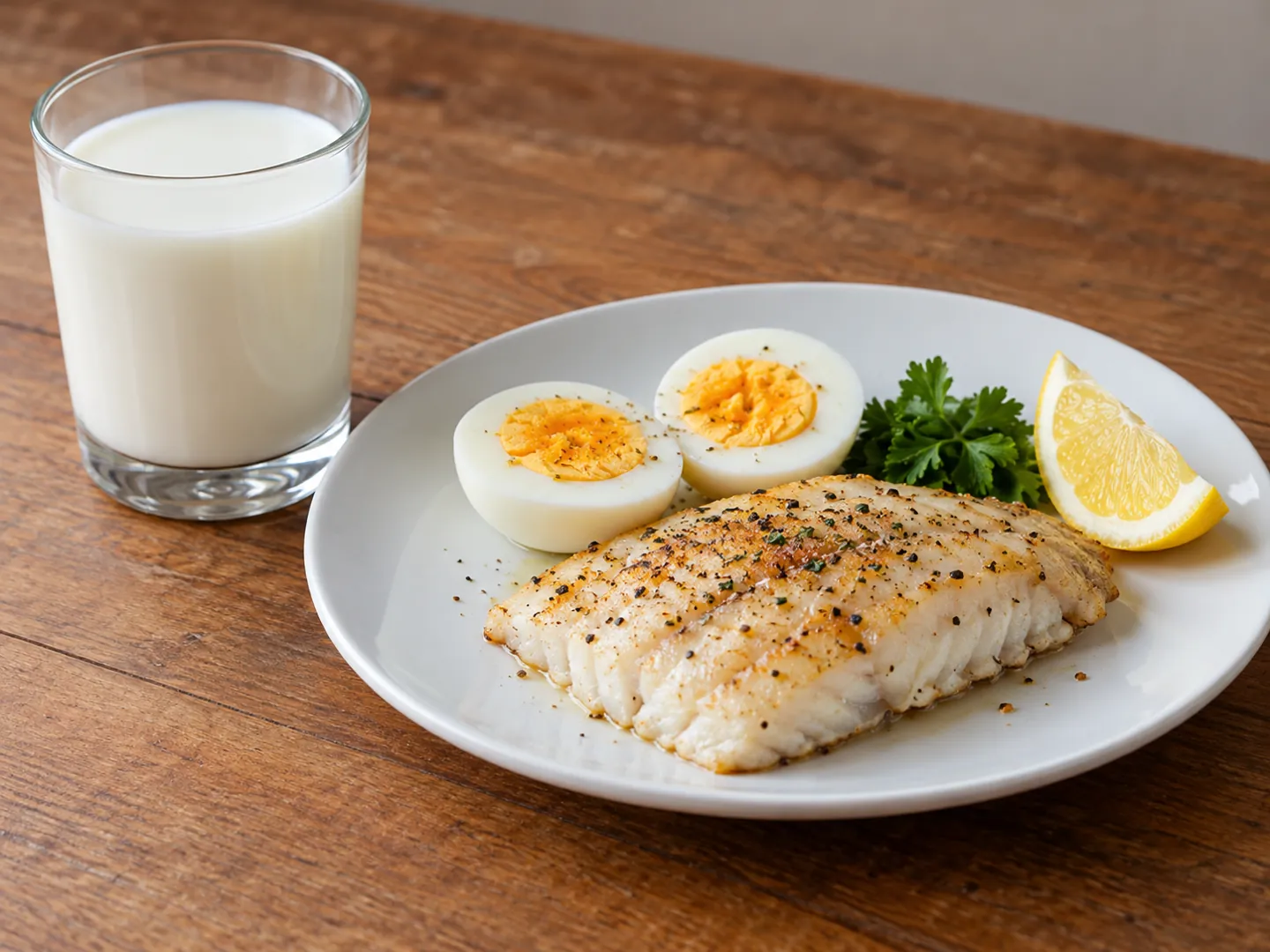
Without fish, eggs or dairy, consider iodine-fortified foods; some soya and oat drinks are fortified, so check the label.
Step 3
The NHS says not to take more than 25mg of zinc supplements a day unless a doctor advises, as too much zinc reduces copper absorption.
Step 4
Very high doses of iron can be fatal, particularly for children, so keep iron supplements out of their reach.
MILLIGRAMS AND MICROGRAMS
The NHS explains that a milligram (mg) is a thousandth of a gram and a microgram (μg or mcg) is a millionth of a gram, so 1,000 micrograms make one milligram. Iron and zinc are counted in milligrams; iodine and selenium in micrograms.
More is not better. The NHS says taking 350μg or less a day of selenium supplements, or 0.5mg or less of iodine supplements, is unlikely to cause harm, and that high doses of iron (over 20mg) can cause constipation, sickness and stomach pain.
Questions
Minerals the body needs in very small amounts, such as iron, zinc, copper, iodine and selenium. The NHS gives daily needs in milligrams or micrograms.
The NHS says 8.7mg a day for men aged 19 and over and women aged 50 and over, and 14.8mg for women aged 19 to 49. Women having periods after 50 may need the higher amount.
Most people get enough iodine from a varied diet. The NHS says people on a strict vegan diet may want to consider fortified foods or a supplement, after advice from a healthcare professional.
Yes. High doses reduce how much copper the body absorbs, which can lead to anaemia and weaker bones. The NHS says not to take more than 25mg of zinc supplements a day unless advised by a doctor.
The NHS lists brazil nuts, fish, meat and eggs. If you eat meat, fish or nuts, you should be able to get all the selenium you need from your diet.
Destination
ABOUT THIS NAME
doodletrace.com is part of the DoodleSale portfolio. It isn't in an auction right now, but you can ask about leasing it.